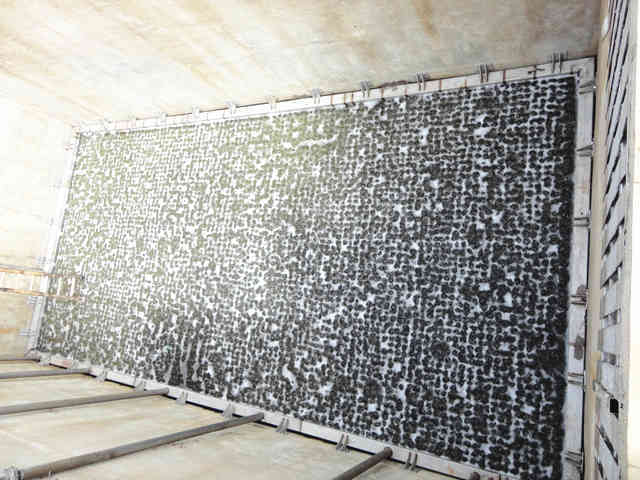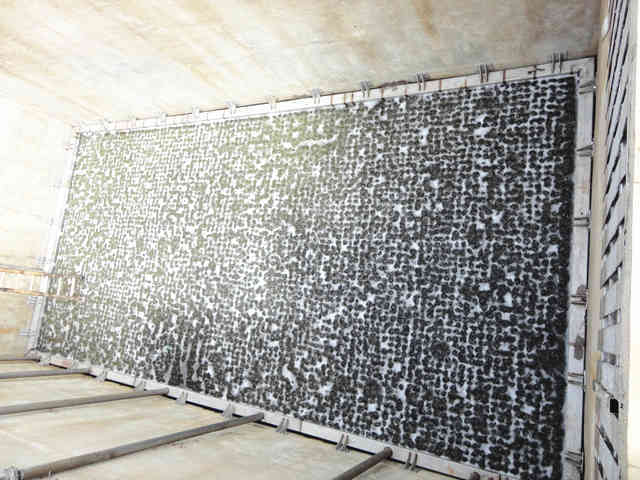
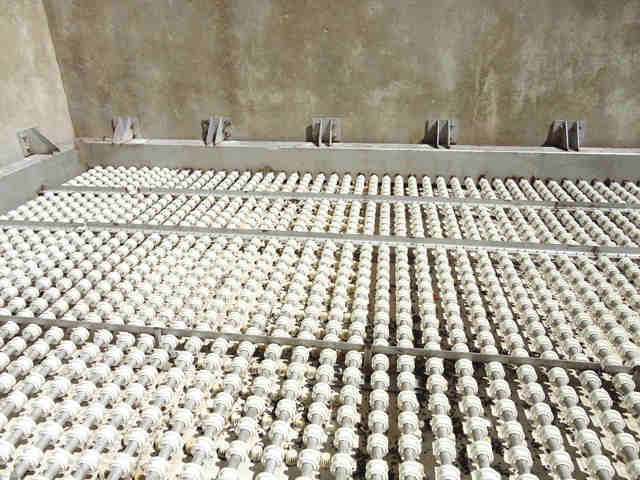
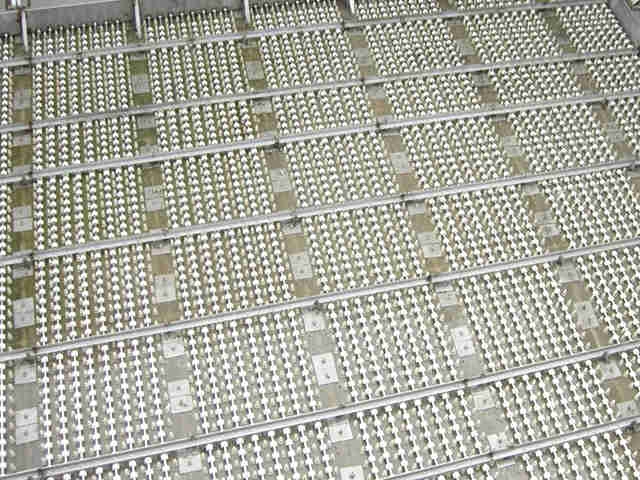
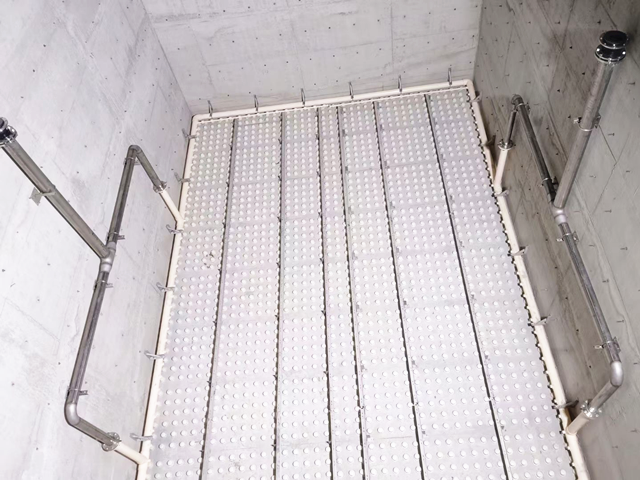
The Biological Aerated Filter (BAF) technology is developed based on the advantages of foreign biological aerated filters. BAF has the dual functions of biochemical treatment and filtration, which can simultaneously remove organic matter, nitrogen, phosphorus, and suspended solids from wastewater. The principle of wastewater treatment by the biological aerated filter is the oxidation and decomposition of microorganisms in the biofilm attached to the filter media, the adsorption and retention effects of the filter media and biofilm, the food chain predation effect formed along the flow direction of water, and the nitrification effect in the microenvironment of the biofilm. As filtration progresses, the newly generated biomass on the surface of the filter media increases, and the retained suspended solids (SS) continue to rise. In the initial stage, the head loss in the filter increases slowly. When the accumulation of solid materials reaches a certain level, causing the head loss to reach its limit, the head loss may lead to the breakthrough of SS. At this point, backwashing of the filter is necessary to remove the excess biofilm and SS from the filter bed and restore its treatment capacity.