Online Message
Code
Deep Bed Denitrification Filter

Deep Bed Denitrification Filter

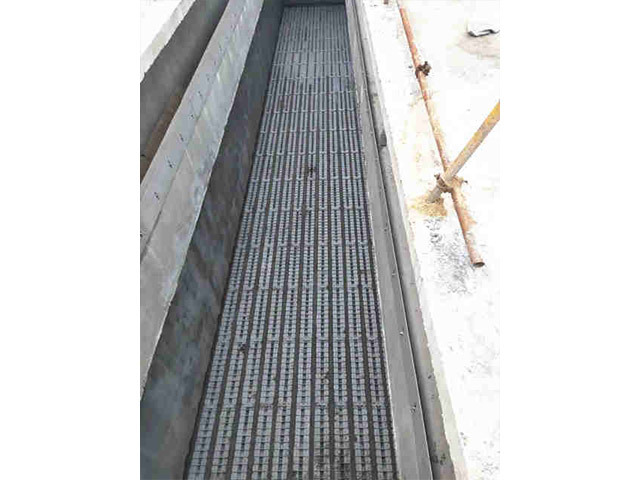
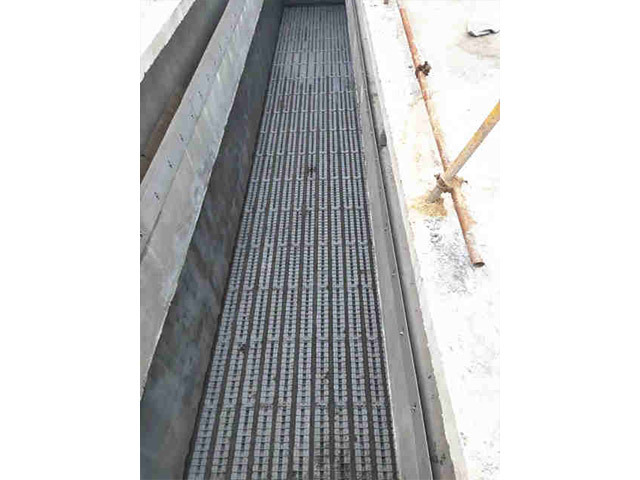
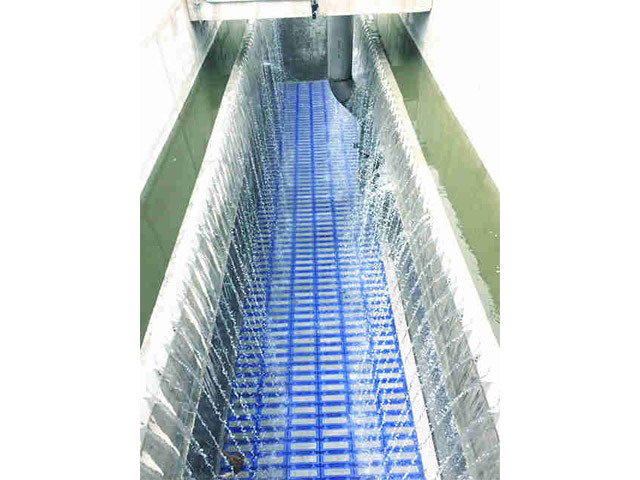
A deep bed denitrification filter is an advanced filtration unit used in wastewater treatment to improve water quality through biological nitrogen removal. It combines physical filtration and fixed film biological denitrification within a single treatment process, making it suitable for modern treatment plants requiring stable effluent performance. During operation, wastewater flows through a deep bed of filter media where air and water distribution is carefully managed by an integrated control system. Suspended particles are captured, reducing total suspended solids, while specialized microorganisms convert nitrate nitrogen into harmless nitrogen gas through the denitrification process. This approach supports efficient nitrogen removal and helps reduce total nitrogen levels to meet discharge standards, often measured in mg L total concentration. Deep bed denitrification systems are commonly designed using stainless steel structures to ensure durability and resistance to corrosion in long-term wastewater environments. The filters are periodically cleaned using backwash water, which restores permeability and maintains consistent filtration performance. These deep bed filters and bed denitrification filters are widely installed in municipal and industrial wastewater facilities where reliable polishing treatment and stable nutrient removal are required.
The denitrification deep bed filter is a wastewater deep treatment unit that combines biological deamination and filtration functions.
Quality Control


The denitrifying deep bed filter is a wastewater treatment unit that combines biological deamination and filtration functions. It uses specially sized and shaped quartz sand as the medium for denitrifying microorganisms. The deep bed is also effective in removing nitrate nitrogen (NO3-N) and suspended solids. With the addition of a good carbon source, the denitrifying bacteria that grow on the surface of the quartz sand convert NO3-N into N2, completing the deamination process. The denitrifying deep bed filter integrates multiple functions, including physical retention of suspended solids (SS), chemical micro-flocculation for phosphorus removal (TP), and biological denitrification for nitrogen removal (TN).

In the presence of an added carbon source, the deep bed denitrifying filter can remove TN, SS, and TP. Without the added carbon source, it functions as a deep bed filter that can simultaneously remove SS and TP.