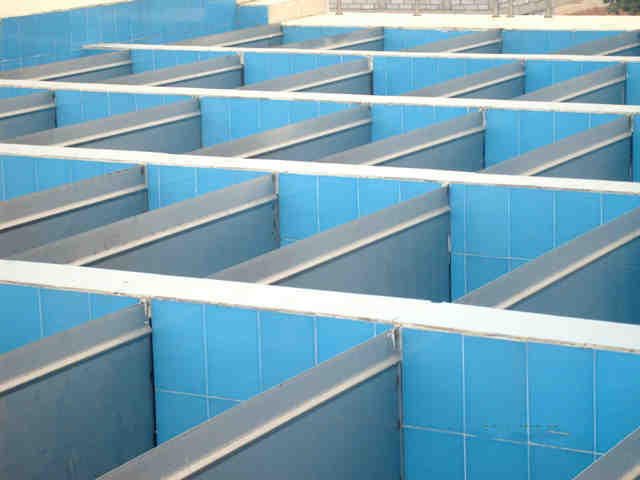
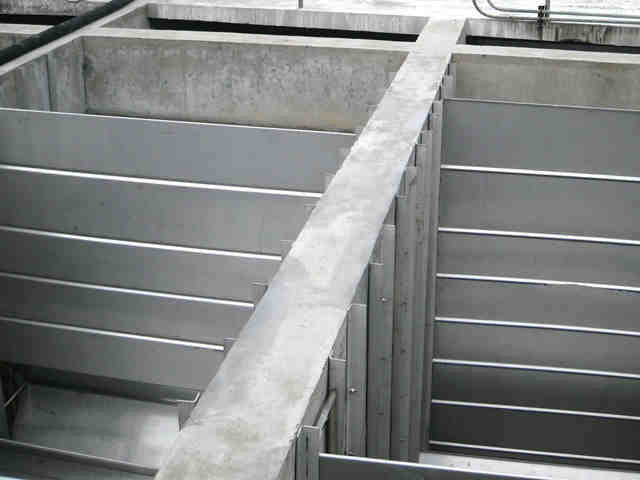
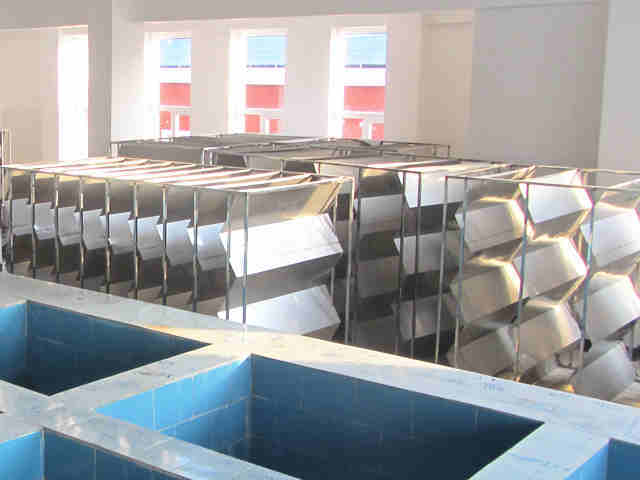
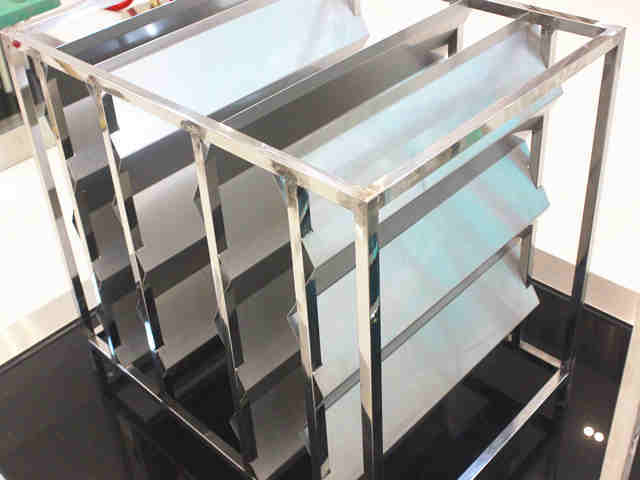
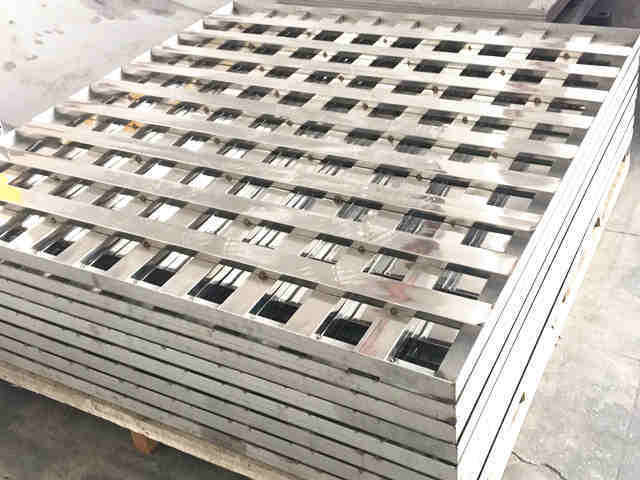
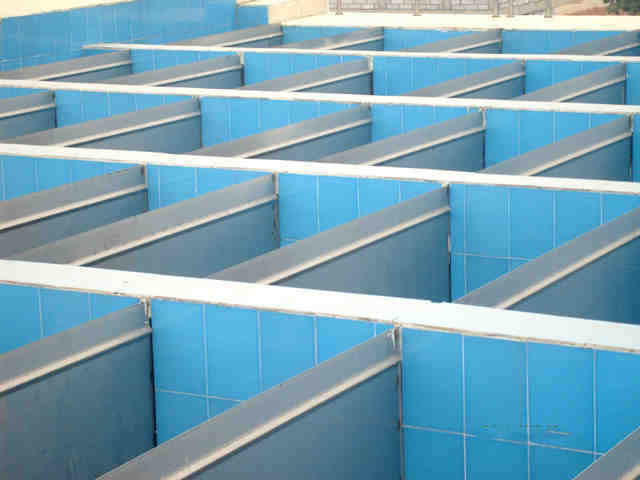
A folding plate reactor is a type of mixing and reaction unit used in water treatment and wastewater treatment systems to improve coagulation and flocculation efficiency within modern treatment processes. It is designed with a folded plate structure that guides water flow and enhances controlled mixing conditions for better reaction performance.
During operation, raw water enters the reactor and passes through a series of folded plate channels that create regulated turbulence. This environment improves contact between chemicals and suspended particles, supporting the formation of stable floc particles and improving downstream separation in sedimentation or filtration units.
The folding plate structure is commonly applied in water treatment systems and industrial wastewater treatment facilities where stable hydraulic performance and consistent reaction conditions are required. It helps optimize the water treatment process by improving mixing uniformity and reducing short-circuit flow inside the tank.
In engineering applications, folding plate reactors are often manufactured using stainless steel to ensure corrosion resistance and long-term durability in continuous operation environments. The design supports reliable performance under varying flow rates and water quality conditions.
Overall, a folding plate reactor provides an efficient solution for enhancing mixing and reaction efficiency in water and wastewater treatment systems, supporting stable and consistent treatment performance.