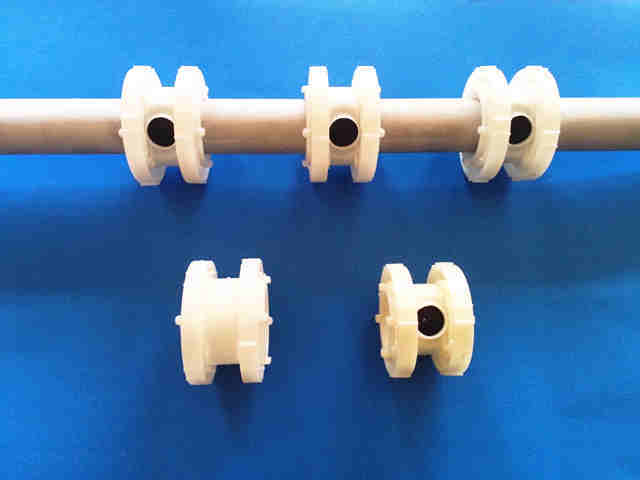
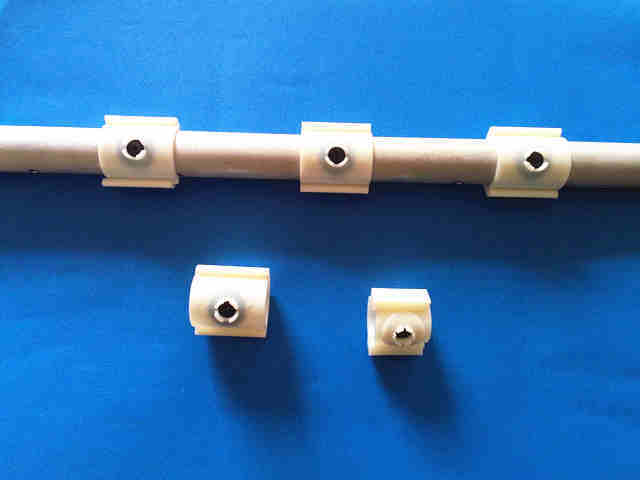
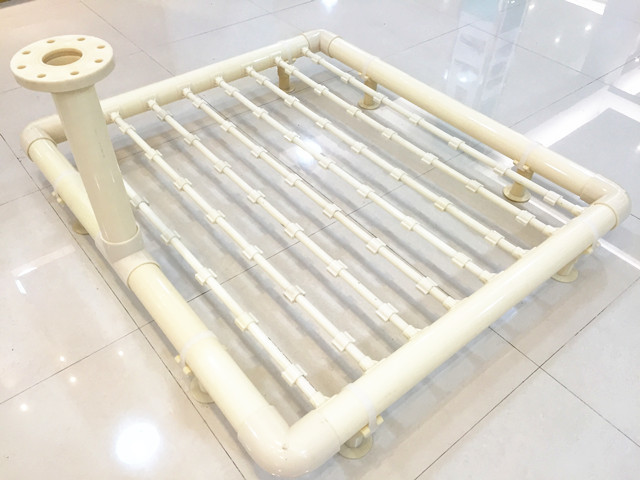
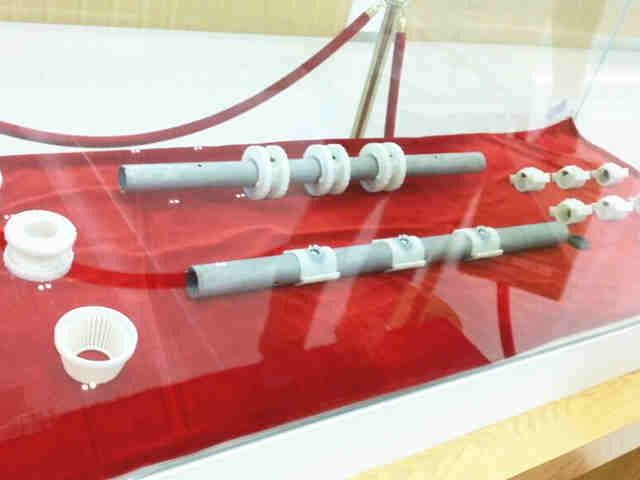
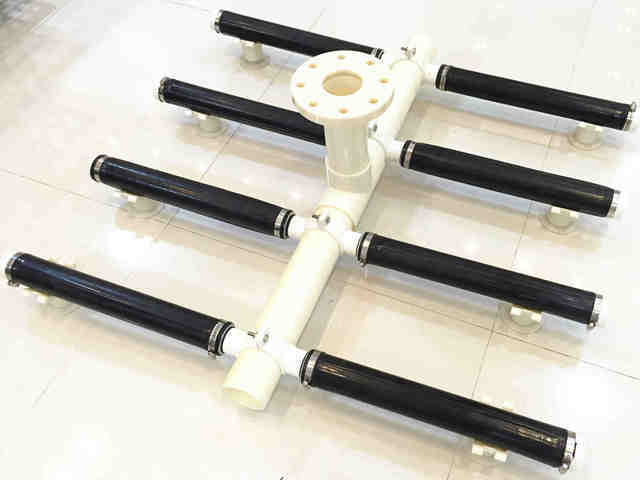
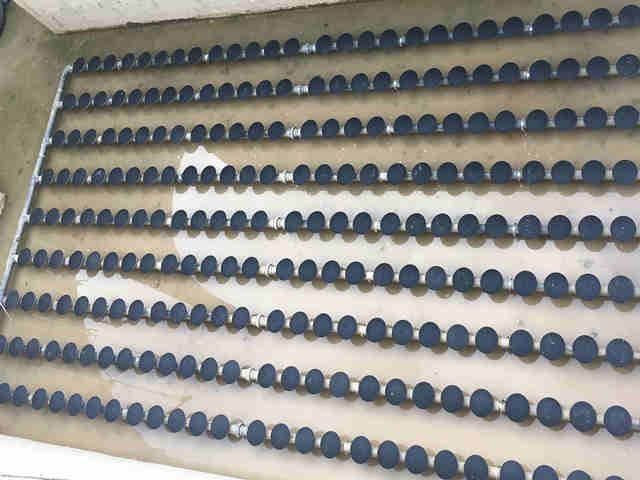
A single-hole membrane aerator is a wastewater treatment device used in water treatment systems to improve oxygen transfer efficiency during aeration processes. It is commonly installed in biological tanks where stable airflow distribution is required to support wastewater treatment performance.
This type of aerator is designed to reduce installation time, making it suitable for projects that require fast and efficient setup. Its structure helps simplify assembly in aeration tanks while maintaining consistent operational stability.
In engineering applications, it can be installed over gravel and reduces installation complexity by minimizing supporting components and streamlining base preparation. This makes it suitable for both new construction and retrofit projects in treatment plants.
The aerator typically uses a weighted powder coated steel base, which enhances stability and ensures secure placement under submerged conditions. The weighted design helps keep the system fixed in position during long-term operation in wastewater environments.
Equipped with high-performance membrane diffusers, the system produces fine bubbles that improve oxygen distribution in biological treatment tanks. It is widely used in municipal and industrial wastewater treatment systems where reliable aeration and energy-efficient operation are required.