Online Message
Code
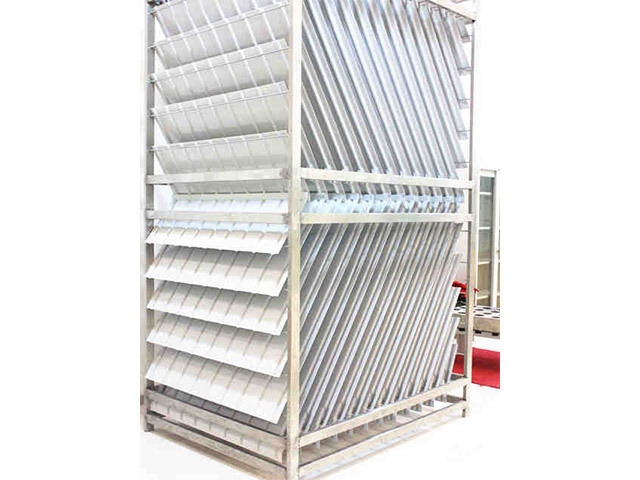
Lateral flow inclined plate

Lateral flow inclined plate

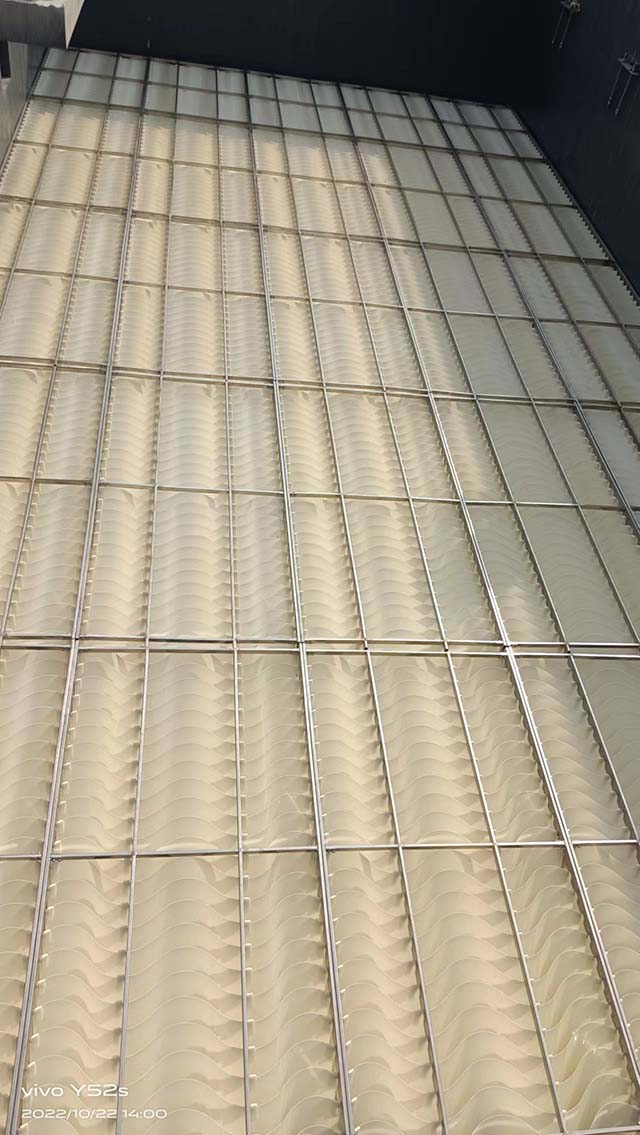
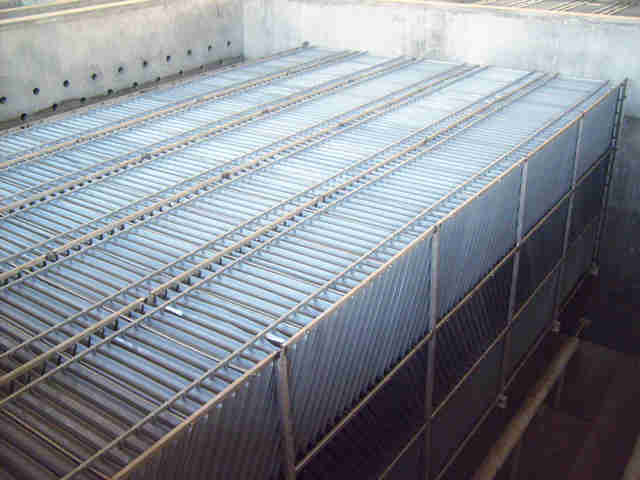
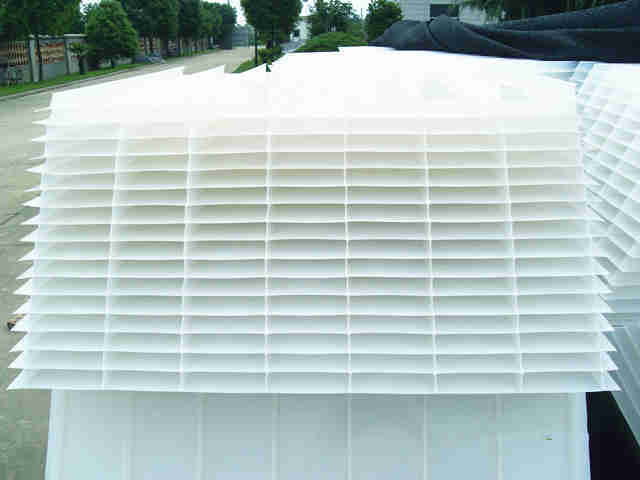
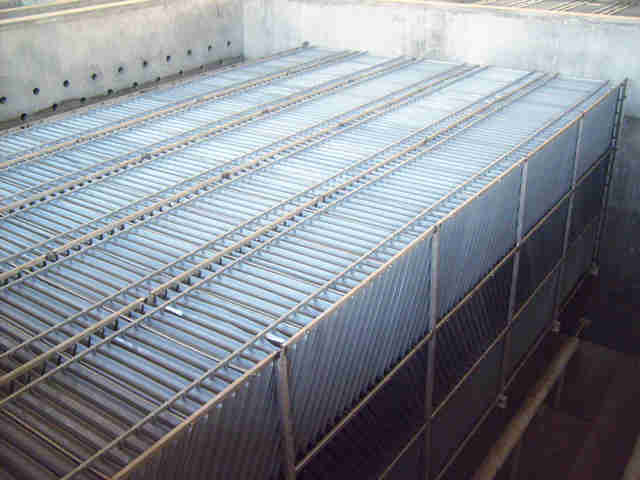
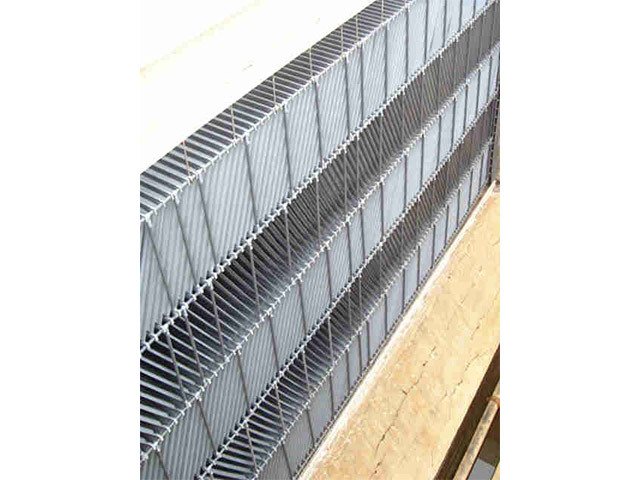
A lateral flow inclined plate is a separation component used in wastewater treatment systems to improve solid-liquid separation efficiency within sedimentation and clarification units. It is designed with a tilted plate structure that guides water across the surface in a controlled laminar flow pattern, allowing suspended particles to settle more effectively. In operation, wastewater enters the plate pack and moves horizontally along the inclined surface, increasing the effective surface area available for particle settling. This lateral flow design reduces turbulence and enhances the separation of fine solids and heavier particles, improving overall clarification performance in compact treatment units. Lateral flow inclined plates are commonly used in sedimentation tanks, lamella clarifiers, and CPI corrugated plate interceptor systems in municipal and industrial wastewater treatment plants. Their structured plate packs design allows efficient space utilization while maintaining stable hydraulic conditions. Manufactured from corrosion-resistant materials such as stainless steel or engineered plastics, these plates are suitable for long-term operation in demanding water treatment environments. The combination of lateral flow movement and inclined geometry ensures consistent separation efficiency and reliable system performance.
Quality Control


This type of inclined plate has been widely used in Japan for many years. Its main advantage lies in significantly reducing the required sedimentation tank area. Compared with the inclined tube sedimentation process, it features a higher volume utilization coefficient, smoother plate surfaces, and better sludge sliding performance.

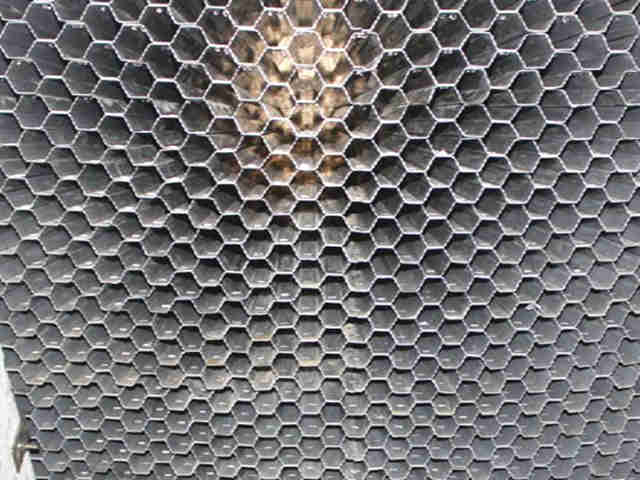
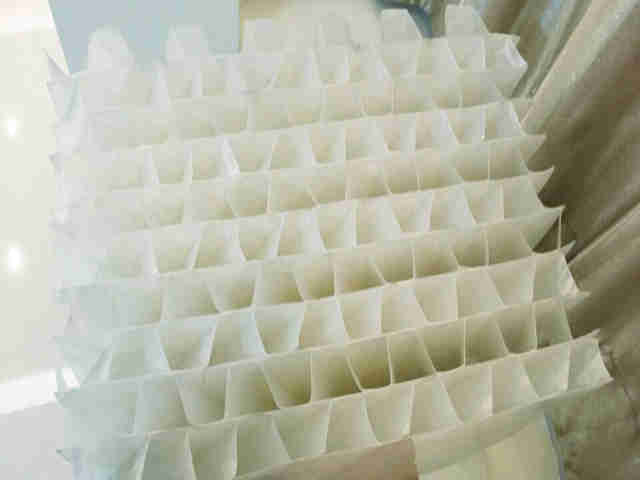
In the sedimentation zone, the water flow is divided into numerous narrow channels. This not only greatly enhances laminar flow conditions but also provides strong adaptability to variations in raw water quality.


Product Features:

  1. The plate body is made of anti-corrosion materials, ensuring a long service life. The inclined plate surface is smooth, with high mechanical strength. It is not easy for sludge to adhere, and the plates are resistant to deformation and cracking.
  2. Each inclined plate unit is made of PVC sheet material, a lead-free and highly stable compound that complies with national hygienic standards for drinking water structures.
  3. Due to the significantly reduced and well-ordered settling distance between plates, sedimentation efficiency is greatly improved. The system has strong adaptability to fluctuations in raw water flow and quality.
  4. The inclined plate system is designed as a detachable structure, making installation and maintenance convenient.


Principle and Structure:

The inclined plate sheets are formed by hot-press molding using sanitary-grade PVC sheets. The geometric dimensions are precise, with a wide temperature resistance range (-20°C to 80°C). The material is tough and corrosion-resistant, with a smooth surface that promotes easy sludge sliding. The service life is up to 10 years.