Online Message
Code
Staggered Tube Settlers

Staggered Tube Settlers

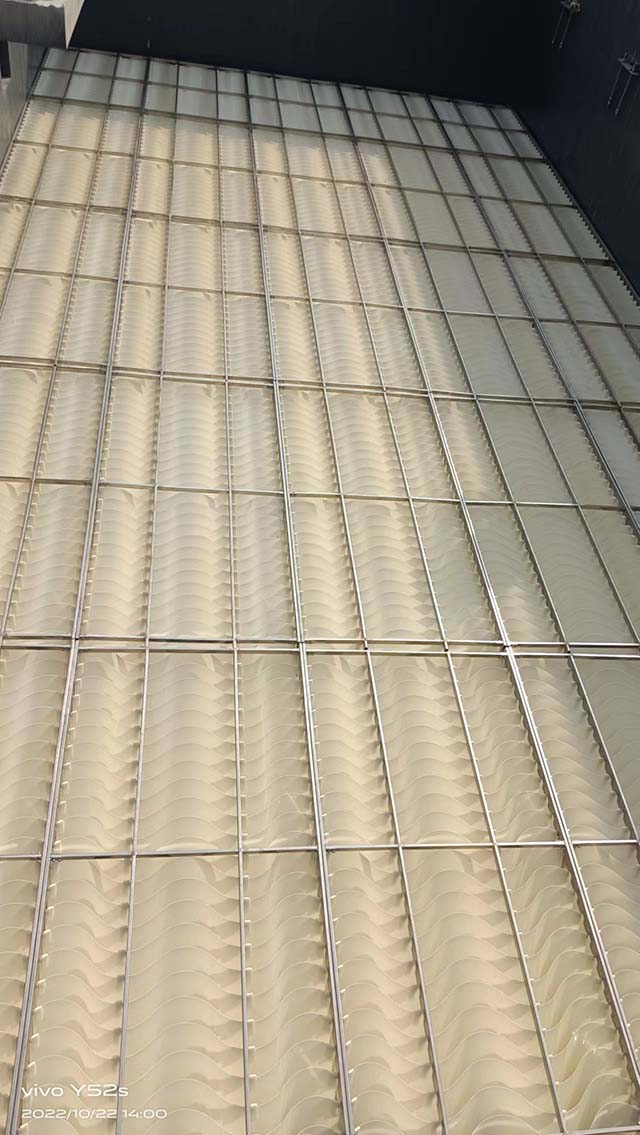
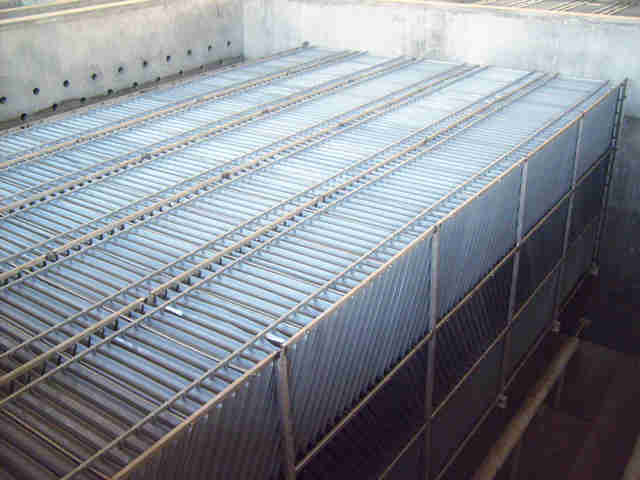
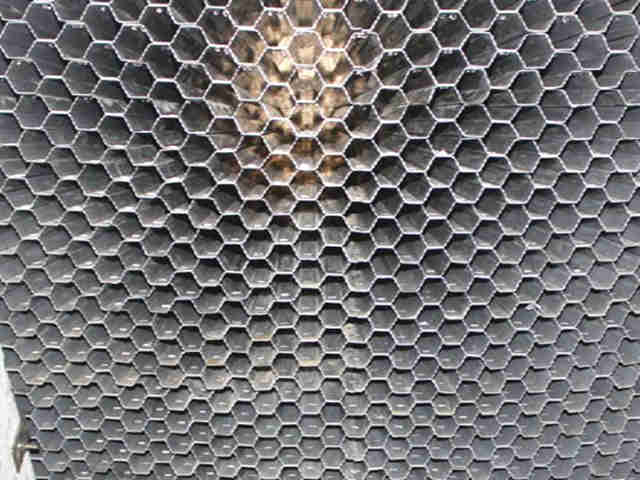
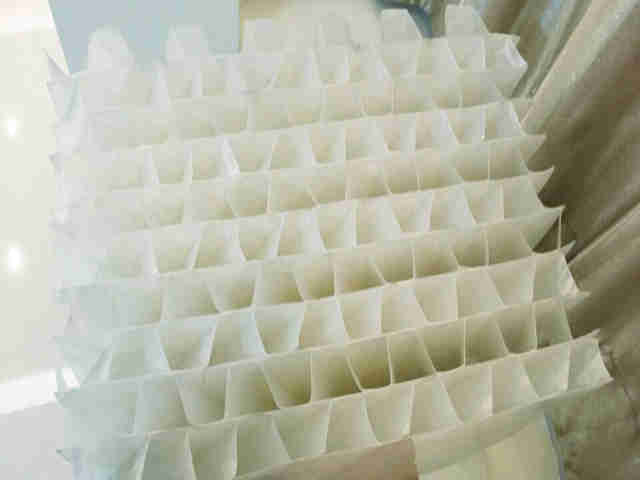
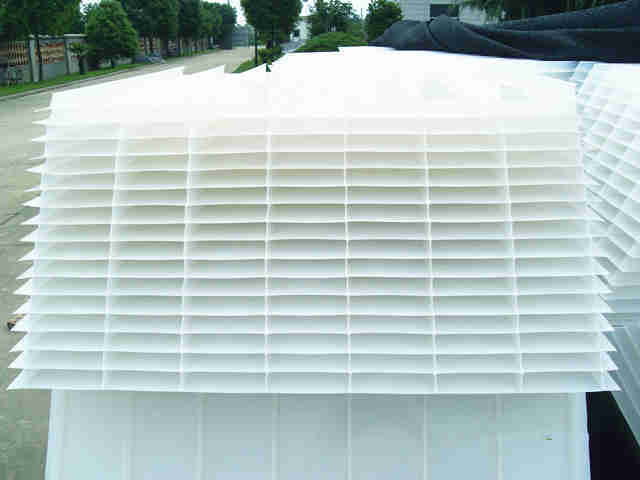
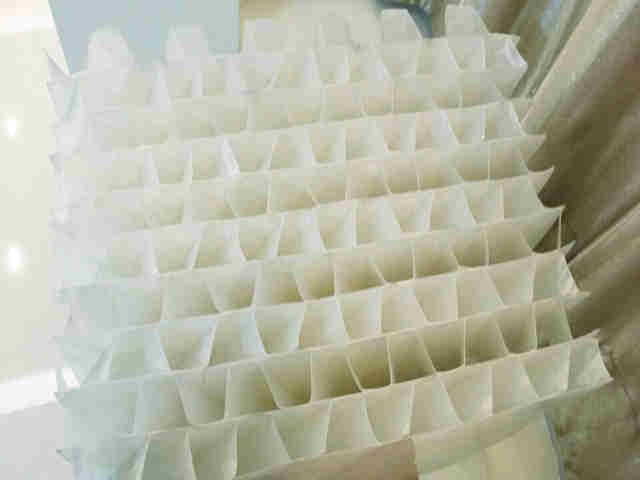
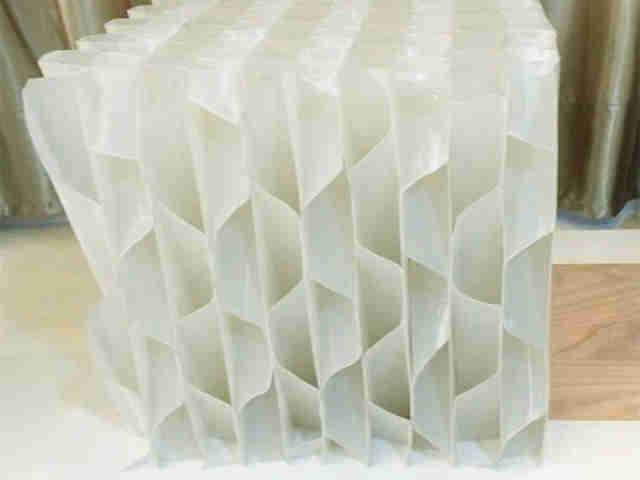
Staggered tube settlers are a type of high-efficiency sedimentation media used in water treatment and wastewater treatment systems within modern treatment plants. They are designed to improve solid-liquid separation by increasing the effective settling area while maintaining a compact footprint in clarifiers and sedimentation tanks. In operation, wastewater flows through inclined and staggered channels where particles settle under gravity as the flow velocity decreases. The staggered configuration of the tube settlers reduces short-circuiting and promotes more uniform flow distribution, allowing finer suspended solids to be removed more efficiently before the water proceeds to downstream treatment stages. These systems are widely applied in municipal and industrial water treatment facilities, including primary clarification, secondary sedimentation, and plant upgrades. They help improve overall treatment performance while optimizing tank volume and hydraulic efficiency in wastewater treatment processes. Stainless steel is commonly used in staggered tube settlers due to its durability, structural strength, and resistance to corrosion in long-term water exposure environments. This makes it suitable for demanding operating conditions in modern treatment plants where reliability and service life are important considerations. Overall, staggered tube settlers provide a practical and space-efficient solution for enhancing sedimentation performance in water and wastewater treatment systems by improving how particles settle within structured tube modules.
Quality Control

Overview:

With continuous changes in urban and industrial wastewater quality and quantity, and increasingly stringent environmental regulations for water treatment, available land resources are becoming more limited. This requires wastewater treatment systems to have high operational flexibility while maximizing land-saving efficiency.

The UNITANK process is an advanced wastewater treatment technology developed to meet these requirements. It integrates the advantages of the SBR (Sequencing Batch Reactor), conventional activated sludge process, and the three-channel oxidation ditch. With an integrated design, it not only features the characteristics of SBR systems but can also operate continuously at a constant water level like conventional activated sludge processes. Its operating mode is similar to a three-channel oxidation ditch, enabling continuous influent and effluent treatment.

The UNITANK process offers several distinctive advantages:

  1. It adopts time-sequencing control to create anaerobic, anoxic, and aerobic conditions, enabling effective nitrogen and phosphorus removal with flexible operation.
  2. It provides high utilization efficiency of tank volume and equipment.
  3. In the alternating biological tank (UNITANK basin), it serves as the primary device for solid-liquid separation in the sedimentation stage.


Product Characteristics:

Application in UNITANK System

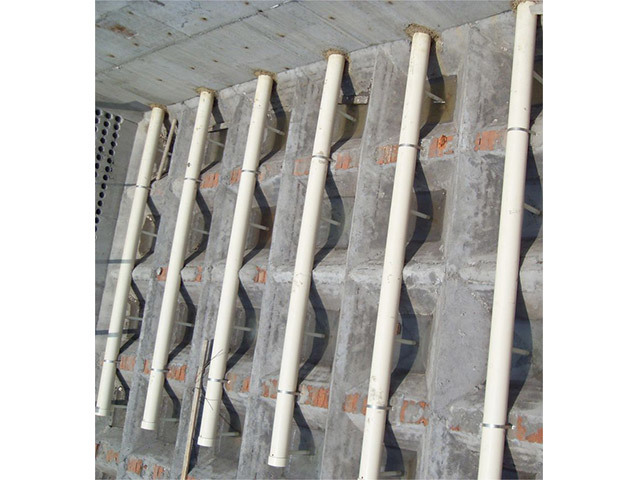
The Staggered Tube Settlers sedimentation device used in UNITANK systems features a small hydraulic diameter and a large wetted perimeter, providing optimal hydraulic conditions for sedimentation. It accelerates the solid-liquid separation process in the sedimentation tank and shortens the hydraulic retention time, thereby significantly reducing the footprint of the alternating biological sedimentation tank and lowering overall construction investment.

The Staggered Tube Settlers sedimentation method applied in UNITANK systems is characterized by a compact footprint, high efficiency, and convenient operation and management.