Characteristics
Strong wear resistance, excellent corrosion resistance, strong high-temperature resistance, high mechanical strength, excellent electrical conductivity, and good thermal insulation.
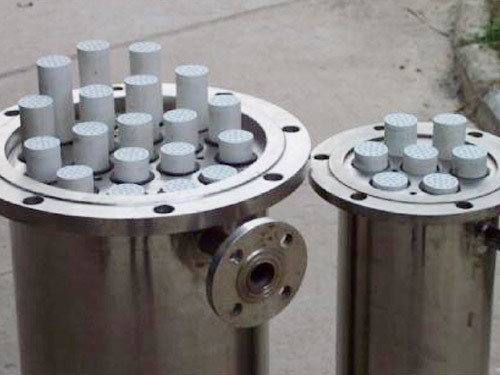
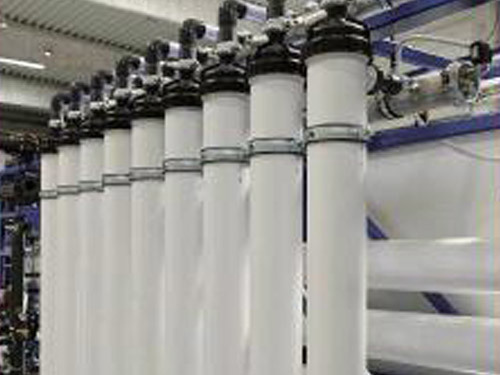
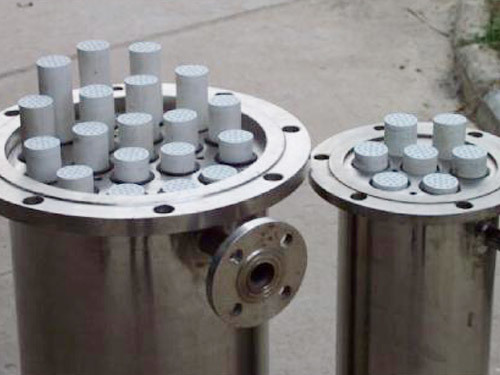
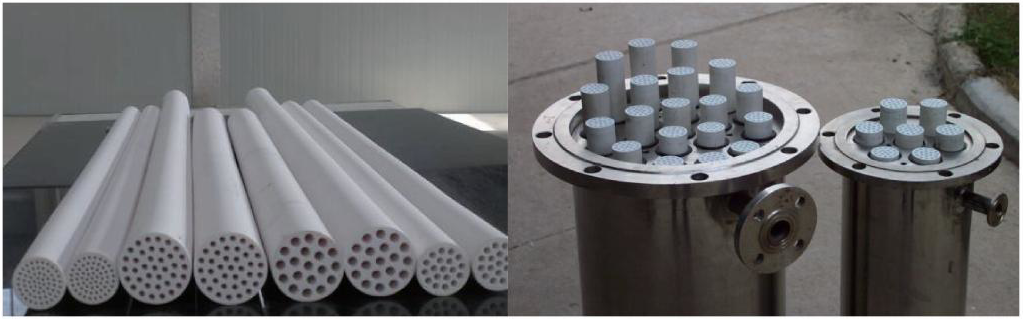
Ceramic membranes are a type of inorganic membrane, belonging to solid membrane materials in membrane separation technology. They mainly use inorganic ceramic materials such as alumina, zirconia, titanium oxide, and silica in different specifications as the support body, formed through surface coating and high-temperature sintering. They have a three-layer structure (porous support layer, transition layer, and separation layer), with the pore size distribution of the entire membrane gradually decreasing from the support layer to the membrane layer, forming an asymmetric structural distribution. The pore size ranges from 0.8nm to 1μm, covering microfiltration, ultrafiltration, and nanofiltration levels.
The ceramic membrane separation process is a fluid separation process in the form of "cross-flow filtration": the feed liquid flows at high speed inside the membrane tube, and under pressure, the clarified permeate containing small molecular components passes through the membrane in a direction perpendicular to it, while the turbid concentrate containing large molecular components is retained by the membrane, thus achieving the purposes of separation, concentration, purification, impurity removal, and sterilization.
Application Fields
Water treatment application fields, seawater desalination fields, oil-containing wastewater treatment fields, chemical and petrochemical wastewater treatment fields, municipal wastewater treatment fields, electronic fields, etc.