Features:
High desalination rate, high mechanical strength, strong service life, suitable for low operating pressure.
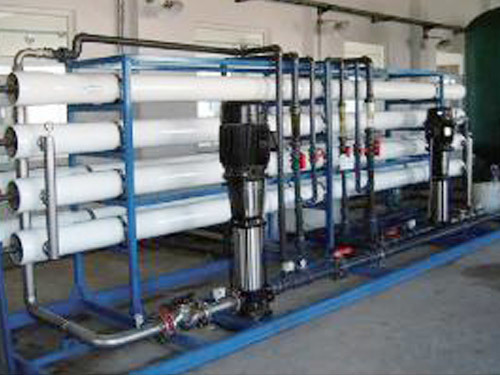
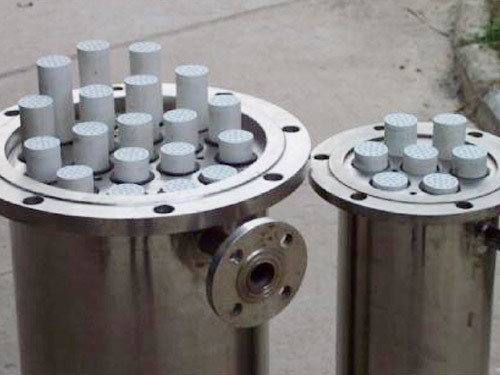
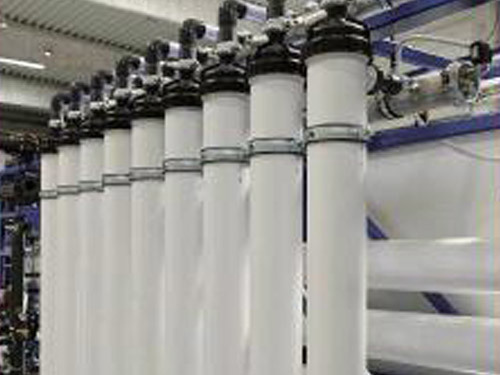
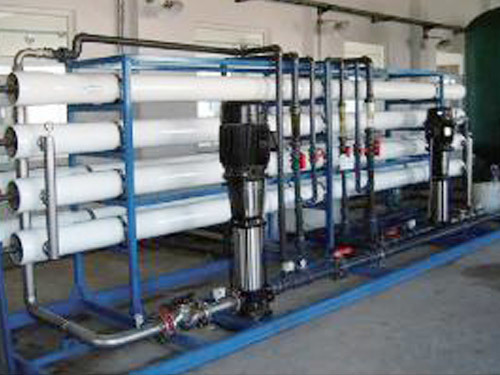
Reverse osmosis membranes are the core components for achieving reverse osmosis, and are a type of artificial semi-permeable membrane made to simulate biological semi-permeable membranes with certain characteristics. They are generally made from polymer materials, such as cellulose acetate membranes, aromatic polyamide membranes, and aromatic polyamide membranes.
The diameter of the surface micropores is generally between 0.5 and 10 nm, and the permeability is related to the chemical structure of the membrane itself. Some polymer materials have good salt rejection but poor water permeability. Some polymer materials have a chemical structure with more hydrophilic groups, thus allowing for relatively fast water permeability. Therefore, a satisfactory reverse osmosis membrane should have an appropriate permeation rate or desalination rate.
Thus, it can effectively remove dissolved salts, colloids, microorganisms, organic substances, etc. from water. The system has advantages such as good water quality, low energy consumption, simple process, and easy operation.
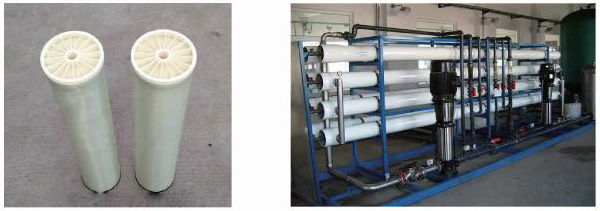
Application Areas:
Preparation of pure and ultra-pure water, industrial wastewater treatment, brackish water desalination, municipal wastewater treatment, food processing, seawater desalination, household water purification, water for biopharmaceuticals.